Wednesday, December 10th, 2025
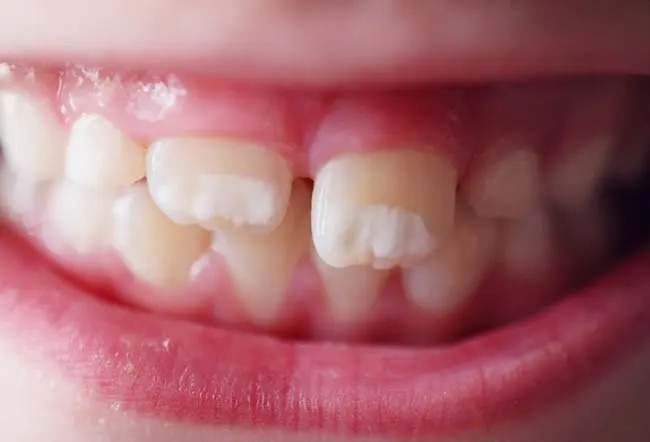
White spots on teeth are a common cosmetic concern among both adults and children. While they are not always harmful, these small patches can affect your confidence, especially when they appear on the front teeth. The good news is that many causes of white spots are treatable, and several dental treatments can significantly improve your smile.
If you have noticed chalky, bright, or uneven white marks on your teeth, this detailed guide explains what they mean, why they happen, and the best ways to treat and prevent them.
White spots appear as lighter, cloudy patches that differ from the natural shade of the tooth. They often indicate changes in the tooth enamel, either due to mineral loss, excess minerals, acid exposure, or early signs of decay. Understanding the reason behind these spots is the first step in choosing the right treatment.
Also read: How Often Should You Get Your Teeth Cleaned?
White spots can form for several reasons. Here are the most common causes seen in Canadian dental clinics:
Mild fluorosis results in small white streaks or patches, while moderate cases may show more noticeable spots.
If untreated, these spots can progress into cavities.
Also read: Root Canal Before and After: What to Expect
…can lead to enamel erosion, making white spots more noticeable.
Fortunately, modern dentistry offers several effective treatments for white spots. Your dentist will recommend the most suitable option based on the cause, severity, and condition of your teeth.
Fluoride helps strengthen enamel and promote remineralization. Dentists may recommend:
These treatments are effective for mild white spots caused by early demineralization.
Remineralization uses calcium and phosphate-based products to rebuild the enamel. Common options include:
These products are excellent for early enamel damage and mild fluorosis.
Microabrasion gently removes a very thin layer of enamel, reducing the appearance of white spots. This is an ideal treatment when the spots are shallow and affect the outermost layer of enamel.
Icon is a minimally invasive cosmetic treatment widely used in Canada. This technique involves applying a resin to the affected tooth, which penetrates the weakened enamel and blends the white spot with the natural tooth colour.
Icon is especially effective for:
It offers immediate cosmetic improvement without drilling or removing healthy enamel.
While whitening does not remove the white spots, it lightens the surrounding enamel so the colour blends more evenly. This is a good option if the spots are mild and evenly distributed.
However, deeper spots may become more noticeable temporarily after whitening, so professional guidance is recommended.
For more stubborn or deeper white spots, bonding may be recommended. The dentist applies a tooth-coloured resin that covers the spot and restores uniformity. Bonding is affordable and provides quick cosmetic improvement.
If the white spots are extensive or resistant to other treatments, veneers offer the most dramatic and long-lasting solution. Veneers cover the entire front surface of the tooth, completely hiding any imperfections.
This option is ideal for people seeking a flawless, bright smile.
Proper brushing removes plaque and protects enamel.
Cut down on:
If you consume them, rinse your mouth with water afterward.
Children should use only a pea-sized amount of toothpaste and avoid swallowing it. Adults should choose the right fluoride concentration based on dental advice.
Drink plenty of water throughout the day, especially if you experience dry mouth.
Include foods rich in:
Dairy, leafy greens, nuts, and fish support healthy enamel development.
Routine dental checkups help identify early enamel issues and prevent white spots from becoming more noticeable.
If you or your child wears braces:
This prevents plaque buildup around brackets.
You should visit your dentist if:
Early evaluation ensures proper diagnosis and treatment.
White spots on teeth may be common, but they do not have to affect your confidence. With the right treatment and preventive care, you can restore your smile and protect your enamel for years to come. Whether the spots are due to early decay, fluorosis, or orthodontic treatment, your dentist can recommend the best solution based on your needs.
If you’re concerned about white spots or want to explore effective cosmetic treatments, book your appointment at Brookmere Dental Group today. Our team is here to help you achieve a healthier, brighter, and more confident smile.
EXCELLENTTrustindex verifies that the original source of the review is Google. I have started coming to this clinic since October, I had the worst experience with the other clinic I was going to. When I called for the first time I told the lady I had a broken tooth, I had a vacation booked for the week after and I’m not happy with my clinic. Priya was able to book me with Dr Shima on the same day, and started the treatment right away. I’m very happy with the service and Dr shima and all the friends desk staff are so friendly! I am glad to say I was able to fix the broken tooth. And almost done with the overall treatment of my teeth. Munira and all the dental assistants were so friendly and made sure I was ok during the treatments will definitely recommend 10/10Posted onTrustindex verifies that the original source of the review is Google. I had a fantastic experience with Marina, the dental assistant. She conducted a detailed scan of my teeth for a night guard and explained everything thoroughly. She’s incredibly knowledgeable, friendly, and patient, and she also explained why I need a night guard and the importance of regular cleanings. Although she won’t be performing the cleaning herself, she made a great recommendation for it. Overall, I’m really appreciative of her assistance!Posted onTrustindex verifies that the original source of the review is Google. The whole staff is amazing and friendly! Both Dr. Taleb and Dr. Milani are great at what they do. They explain and show you what is necessary and don’t push for things that are unnecessary.Posted onTrustindex verifies that the original source of the review is Google. I had an amazing experience at Brookmere Dental. Dr. Milani and his entire staff were incredibly kind, patient, and helpful. They saw me and scheduled my extraction just days later. I’m truly grateful for how efficiently everything was handled and for the high standard of care I received.Posted onTrustindex verifies that the original source of the review is Google. Fantastic experience from start to finish! I went in to have a few cavities treated and couldn’t be happier with the care I received. Dr. Milani and his assistant Marina were incredibly kind, professional, and made me feel completely at ease. They explained everything clearly, used the latest technology, and even took photos before, during, and after the treatment, no surprises at all. The entire team, from the front desk to the treatment room, was welcoming and efficient. Highly recommend this clinic to anyone in the Lougheed Mall area of Coquitlam!Posted onTrustindex verifies that the original source of the review is Google. Great service and good customer service, everyone is willing to help.Posted onTrustindex verifies that the original source of the review is Google. I had a great experience with Dr. Kurosh Milani and his assistant Marina. Dr. Milani is very professional and knowledgeable, and he always listens carefully to every concern and clearly explains all the available ways to address them. Marina was incredibly kind and supportive. Both take the time to explain everything clearly, which made me feel comfortable and confident throughout my visit. Their teamwork created a calm and positive environment.Posted onTrustindex verifies that the original source of the review is Google. Every time I visit Brookmere Dental, I am truly amazed by the level of care and professionalism from the entire team. From the friendly front desk staff to hygienist Jen, Dr. Milani and Dr. Shima, everyone is highly professional and attentive. Everyone makes you feel comfortable and well taken care of. I highly recommend this dental office to anyone seeking excellent dental care.Posted onTrustindex verifies that the original source of the review is Google. I’ve been here many times, and everything is great. Very kind and patient staff, clean environment, and the perfect dentist. Definitely recommended.Posted onTrustindex verifies that the original source of the review is Google. Thorough dental cleaning. The hygienist was gentle, explained each step clearly, and made the whole visit comfortable. Teeth feel noticeably cleaner after the appointment.