Sunday, January 5th, 2025
Your smile’s appearance and oral health can be greatly impacted by missing teeth. Everyday activities like chewing, speaking, and even smiling can become a challenge when teeth are missing. Fortunately, dental bridges offer a practical and aesthetically pleasing solution to fill the gaps in your smile, restore dental function, and improve overall oral health.
In this blog, we’ll explore what dental bridges are, how they work, the types of bridges available, the procedure for getting a bridge, and the benefits they offer.
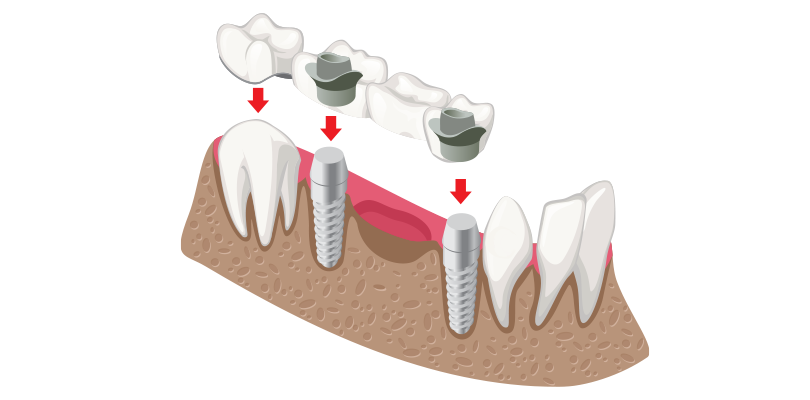
By physically “bridging” the gap, a dental bridge is a prosthetic tool used to replace one or more lost teeth. Crowns are placed on nearby healthy teeth or implants to secure the bridge on each side. The gap caused by the lost teeth is filled by the replacement tooth or teeth, known as pontics, which are placed in between these anchors.
Restoring your teeth’s functionality and avoiding additional oral health problems that may result from leaving a gap in your dental structure are the primary objectives of a dental bridge. Not only do they improve your smile, but they also help you chew food more effectively and speak clearly.
A dental bridge typically consists of the following:
The bridge is created just for your mouth, ensuring a natural look and comfortable fit. The materials used for bridges can vary, but they are often made from porcelain, ceramic, or a combination of materials to match the colour and shape of your natural teeth.
There are several types of dental bridges, and the right one for you depends on your specific dental needs:
Getting a dental bridge typically requires two visits to your dentist.
For implant-supported bridges, additional time is required for the placement of the implants, as the healing process can take several months before the bridge can be fitted.
Just like your natural teeth, dental bridges require proper care to ensure their longevity. Here are a few tips to maintain your bridge:
After losing a tooth, dental bridges are a good way to restore your smile’s beauty and functionality. A bridge provides a dependable and visually beautiful solution to close the gap, whether you’re wanting to replace one or multiple teeth. A dental bridge can endure for years with the right maintenance, enhancing your confidence in speaking, smiling, and chewing.
If you’re considering a dental bridge to restore your smile, the Brookmere Dental Group offers expert consultation and personalized treatment plans. Contact us today to learn more about how a dental bridge can benefit you and restore your dental health!
Wednesday, October 30th, 2024
Most individuals consider brushing, flossing, and routine dental exams to be important aspects of maintaining excellent oral health. However, occasionally, dental problems may occur that call for more involved care. Root canal therapy is one such procedure that is frequently required when the pulp of a tooth becomes injured or infected. You can take prompt action and protect your natural tooth by being aware of the warning signals that suggest you could require a root canal.
In this blog, we’ll discuss what root canal therapy is, why it’s important, and the key signs that indicate you may need this essential dental treatment.
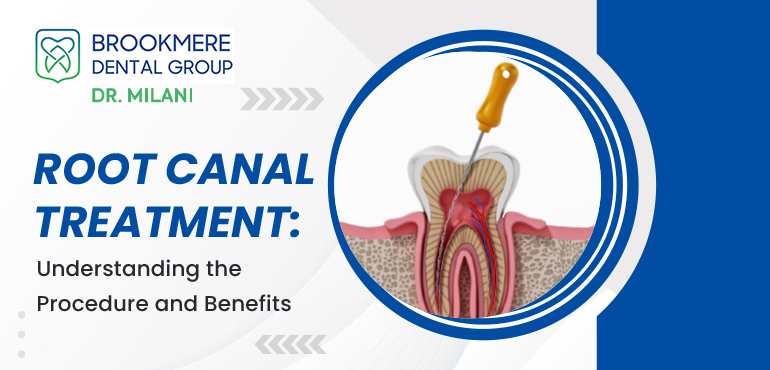
The dental technique known as root canal therapy, or endodontic treatment, is used to treat inflammation or infection of the tooth pulp, which is the soft tissue inside the tooth that contains connective tissue, blood vessels, and nerves. The inside of the tooth is cleansed and disinfected, the damaged or infected pulp is removed, and the tooth is sealed to prevent further infections.
When the pulp gets infected as a result of extensive decay, recurrent dental operations, fissures, or trauma to the tooth, root canal therapy is frequently required. The infection can progress and cause excruciating pain, an abscess, and possibly tooth loss if treatment is not received.
Root canal treatment is crucial because it helps save your natural tooth. With a root canal, you can keep your tooth’s structure intact while still retaining its function and appearance, unlike with an extraction, which removes the tooth completely. This means that instead of undergoing more involved and costly surgeries like dental implants or bridges to replace a missing tooth, you can keep chewing and biting normally.
Furthermore, root canal therapy eliminates the infection and protects your surrounding teeth from the spread of bacteria, helping to maintain overall oral health.
Now that we’ve covered the basics of what a root canal is and why it’s essential let’s dive into the top signs that may indicate you need this treatment.
Persistent tooth pain is one of the most typical indicators that you could require a root canal. When you chew, bite down, or put pressure on the afflicted tooth, the pain usually gets worse. It might be continuous or sporadic. Your jaw, ear, or other teeth in the vicinity may also experience pain.
Tooth pain can have many causes, but when it’s severe and doesn’t go away, it’s a sign that something is wrong with the tooth’s nerve. If the pulp inside the tooth is inflamed or infected, root canal therapy may be mandatory to reduce discomfort and save the tooth.
Persistent sensitivity to cold or hot foods and beverages could indicate tooth canal injury. While mild sensitivity is common and can be caused by factors like enamel erosion, a tooth that remains sensitive for an extended period — especially if the discomfort lingers long after the hot or cold stimulus is removed — could be a sign of pulp damage.
Root canal therapy can address this issue by removing the damaged or infected pulp, restoring the tooth’s normal function, and eliminating sensitivity.
Another indication that you might require a root canal is swelling or soreness in the gums around the damaged tooth. An abscess or infection in the tooth’s root may be the cause of gum swelling, which results in discomfort and inflammation in the surrounding gum tissue. A dental fistula, a little pimple-like lump on the gums that permits the pus to drain from the infection, may occasionally accompany the swelling.
It’s critical to see a dentist right away if you experience persistent or worsening gum swelling so that they can assess whether a root canal is necessary to treat the infection.
A tooth that becomes discolored, particularly if it turns gray or dark, may indicate that the tooth’s nerve is dying or has already died. Trauma to the tooth, deep decay, or infection can damage the tooth’s internal structure, leading to discoloration.
While there are other potential causes of tooth discoloration, such as surface stains from food or drinks, a darkened tooth due to nerve damage often requires root canal therapy to prevent further complications.
If you feel pain or tenderness when touching the tooth or applying pressure, this could be a sign that the tooth’s nerve is inflamed or infected. This type of pain typically occurs when biting down or chewing and can range from mild discomfort to sharp, intense pain.
In cases where the pain doesn’t resolve on its own and worsens over time, it’s crucial to see a dentist for an evaluation. A root canal may be necessary to relieve the pressure and prevent further damage to the tooth.
A cracked or chipped tooth, especially one that extends deep into the tooth, can expose the pulp to bacteria, leading to infection. A root canal may eventually be necessary as a result of germs entering the tooth through even small fissures that don’t hurt right away.
If you’ve experienced dental trauma or noticed a crack or chip in your tooth, it’s important to have it assessed by a dentist to determine whether root canal therapy is required to protect the tooth and prevent infection.
A pocket of pus that develops at a tooth’s root as a result of bacterial infection is called an abscess. Severe pain, swelling, and even fever are common side effects of abscesses. In order to eliminate the infection, clean the root canal, and stop more problems, root canal therapy is frequently required if you have an abscess or recurring infection in a particular tooth.
Ignoring an abscess might result in more significant health problems as the infection may spread to other areas of your mouth or even enter your bloodstream. If you think you may develop an abscess, get dental care right away.
Root canal therapy is necessary for the preservation of your natural teeth and general dental health. Early detection of infection or pulp damage allows you to get treatment before the issue gets worse. Some of the warning indicators that you could require a root canal include tooth discolouration, swollen gums, sensitivity to hot and cold, and persistent tooth discomfort.
If you’re experiencing any of these symptoms, don’t wait. Contact Brookmere Dental Group today to schedule a consultation and find out if root canal therapy is the right solution for you. With timely intervention, we can help you save your tooth and restore your smile!
Wednesday, September 18th, 2024
Missing teeth may impact more than just your appearance; they can also impair your overall health, making it harder to eat correctly, altering your speech, and even changing the alignment of your remaining teeth. A dental bridge is an efficient method for bridging gaps left by lost teeth, restoring your smile’s appearance and functionality. In this article, we’ll look at dental bridges, their work, and why they’re essential for maintaining oral health.
A dental bridge is a reconstructive dental device that “bridges” the gap between one or more lost teeth. It contains one or more artificial teeth, known as pontics, which are connected to the actual teeth or dental implants on both sides of the gap, known as abutment teeth. Depending on the patient’s needs and the location of the missing teeth, different types of dental bridges are available:
Dental bridges do more than replace missing teeth—they offer numerous benefits for both oral function and aesthetics:
1.Restores Functionality
Chewing and speaking become difficult when teeth are missing. Dental bridges allow you to eat a range of foods and talk clearly since artificial teeth operate similarly to natural teeth.
2.Prevents Teeth from Shifting
Missing teeth may lead to teeth shifting into the vacant area, resulting in misalignment, biting abnormalities, and even temporomandibular joint (TMJ) disorders. A dental bridge prevents this by holding the adjacent teeth in place, maintaining the proper structure and alignment of your teeth.
3.Improves Aesthetics
The gap created by missing teeth can be unsightly, creating discomfort or self-consciousness when smiling or speaking. Dental bridges restore a whole, even smile, enhancing your appearance and self-esteem. The materials used for the bridge, such as porcelain or ceramic, are colour-matched to your natural teeth, creating a seamless look.
4.Supports Jawbone Health
The absence of teeth can damage the jawbone over time, as the jawbone no longer receives the stimulation that comes from chewing. While traditional dental bridges do not replace tooth roots, implant-supported bridges provide the necessary stimulation to prevent bone loss, making them a superior option for long-term oral health.
5.Long-Lasting Durability
Dental bridges are made from strong, durable materials that can last many years when cared for properly. With routine dental checkups, good oral hygiene, and avoiding harmful habits like teeth grinding, your bridge can provide long-lasting results and maintain its function and aesthetics.
Dental bridges not only provide aesthetic and practical benefits but also help prevent future oral health difficulties. Filling gaps where teeth are missing helps to keep the surrounding teeth aligned, lowering the risk of issues such as tooth decay, gum disease, and malocclusion (teeth misalignment). Misaligned teeth can cause uneven wear, jaw strain, and difficulties with oral hygiene, so frequent treatment is essential.
Dental bridges can also improve digestion and overall nutrition by restoring proper chewing function. When chewing is impaired, people may avoid certain healthy foods that are harder to eat, such as fruits, vegetables, or proteins. Restoring this function allows you to maintain a balanced, nutritious diet, further contributing to oral and overall health.
Each type of dental bridge has its unique advantages, depending on the situation:
Choosing a dental bridge to replace missing teeth can be an excellent option for many people. It is a potential choice for persons with good dental health and adequate support from nearby teeth or implants. However, a consultation with your dentist must identify the best type of bridge for your oral condition, personal preferences, and general health.
Dental bridges provide a complete solution for patients with missing teeth, improving both function and appearance. By preventing teeth from shifting, enhancing chewing ability, and preserving the overall structure of your mouth, dental bridges contribute significantly to maintaining long-term oral health. If you’re dealing with missing teeth and looking for a reliable solution, consult your dentist to explore how a dental bridge can benefit you.
Saturday, June 29th, 2024
Tooth pain can be one of the most unbearable and debilitating experiences, disrupting daily activities and affecting your overall well-being. At Brookmere Dental Group, we understand how overwhelming this pain can be and are committed to helping our patients in Coquitlam find immediate and effective relief. This blog will explore the various causes of tooth pain, immediate steps you can take for relief, and long-term solutions to ensure your dental health remains optimal.

Tooth pain, or dental pain, can stem from numerous underlying issues. Understanding the cause is crucial in determining the best course of action for relief. Here are some common causes:
When tooth pain strikes, finding immediate relief is often the priority. Here are some steps you can take at home to alleviate the pain temporarily:
While home remedies can provide temporary relief, it is crucial to seek professional dental care to address the underlying cause of the tooth pain. Schedule an appointment with Brookmere Dental Group if you experience any of the following:
At Brookmere Dental Group, our experienced team provides a range of treatments to address the root cause of tooth pain and ensure long-term relief. Here are some common treatments we offer:
Prevention is always better than cure. Here are some tips to help prevent future tooth pain and maintain optimal dental health:
At Brookmere Dental Group in Coquitlam, we provide comprehensive dental care to help our patients achieve and maintain optimal oral health. Coquitlam Dentists’ team of experienced professionals is here to offer personalized care, from preventive services to advanced treatments for tooth pain and other dental issues.
We understand that dental pain can be overwhelming, and we strive to create a comfortable and welcoming environment for all our patients. Our state-of-the-art facility has the latest technology to ensure accurate diagnoses and effective treatments.
Tooth pain can be unbearable, but you don’t have to suffer in silence. By understanding the causes of tooth pain, taking immediate steps for relief, and seeking professional dental care, you can find lasting relief and protect your dental health. At Brookmere Dental Group, dental clinic in Coquitlam we are helping our patients achieve pain-free, healthy smiles. If you are experiencing tooth pain or have concerns about oral health, contact us and schedule an appointment. Your comfort and well-being are our top priorities.
Tuesday, April 30th, 2024
Introduction
When it comes to dental health, prevention is essential. Regular dental check-ups, good oral hygiene, and a healthy diet can help maintain oral health. However, there are times when unexpected dental issues arise, requiring immediate attention from a professional. Ignoring these symptoms can lead to further complications and discomfort. In this blog post, we’ll discuss some signs that indicate you need emergency dental care, emphasizing the importance of not ignoring these symptoms. As we explore this topic, Brookmere Dental Group is your trusted dental clinic in Coquitlam, where we prioritize your dental health and well-being above all else.
Tooth pain can range from mild discomfort to excruciating agony. While occasional tooth sensitivity or minor pain may not warrant emergency care, persistent and severe tooth pain could indicate a serious issue such as an infection or abscess. Ignoring persistent tooth pain can lead to further complications, including spreading the disease to surrounding teeth and tissues. If you’re experiencing relentless tooth pain, seeking emergency dental care promptly to address the underlying cause and alleviate your discomfort is crucial.
Swelling and inflammation in the gums, face, or jaw can indicate various dental problems, such as gum disease, infection, or an abscessed tooth. In some cases, swelling may accompany severe tooth pain or difficulty opening the mouth. Ignoring swelling and inflammation can exacerbate the underlying issue, potentially leading to severe complications. Prompt evaluation by a dental professional, such as Coquitlam Dentist at Brookmere Dental Group, can help diagnose the problem and prevent it from worsening.
While minor bleeding during brushing or flossing is relatively common, persistent or excessive bleeding from the gums could signal an underlying problem such as gum disease or trauma. Ignoring bleeding gums may result in the progression of gum disease, leading to gum recession, tooth loss, and even systemic health issues. Suppose you notice persistent bleeding from your gums, especially if accompanied by other symptoms such as swelling or pain. In that case, it’s essential to seek emergency dental care for proper evaluation and treatment.
Trauma or injury to the mouth can cause a tooth to become loose or completely knocked out. Immediate action is crucial to maximize the chances of saving the tooth. If a tooth becomes loose due to trauma or injury, avoid wiggling or touching it unnecessarily and immediately seek emergency dental care. Similarly, if a tooth gets knocked out, handle it carefully by the crown (top part), rinse it gently with dirty water, and try to reinsert it into the socket if possible. If reinsertion isn’t feasible, place the tooth in a container of milk or saliva and get to your dentist immediately for emergency treatment.
Chronic bad breath, or halitosis, can be embarrassing and may indicate an underlying dental issue such as gum disease, tooth decay, or oral infection. Similarly, an unpleasant taste in the mouth that persists despite oral hygiene practices could be a sign of dental problems. Ignoring persistent bad breath or an unpleasant taste may allow the underlying issue to progress, leading to more significant oral health issues. Seeking emergency dental care can help diagnose and address the root cause of these symptoms, restoring your oral health and confidence.
When faced with a dental emergency, choosing the right dental clinic can make all the difference in receiving prompt, effective care and restoring your oral health. Here are compelling reasons why you should trust Brookmere Dental Group for your emergency dentistry needs in Coquitlam:
At Brookmere Dental Group, we take pride in our team of experienced and skilled dental professionals committed to providing exceptional emergency dental care. Our dentists have undergone extensive training and possess the expertise to handle a wide range of dental emergencies with precision and compassion.
Our dental clinic is equipped with state-of-the-art facilities and advanced technology to ensure our patients receive the highest standard of care. From digital X-rays and intraoral cameras to modern treatment techniques, we utilize cutting-edge tools and equipment to diagnose and treat dental emergencies efficiently.
Whether you’re experiencing severe tooth pain, swelling, a knocked-out tooth, or any other dental emergency, our team at Brookmere Dental Group is here to help. We offer comprehensive emergency dental services to address various dental issues promptly, providing you with the relief and care you need when you need it most.
At Brookmere Dental Group, we prioritize the comfort and well-being of our patients above all else. From the moment you walk through our doors, our friendly staff will greet you with warmth and empathy. We understand that dental emergencies can be stressful, so we strive to create a supportive and welcoming environment where you can feel at ease during your visit.
At Brookmere Dental Group, we are committed to excellence in everything we do. Whether providing emergency dental care, preventive services, or cosmetic treatments, we are dedicated to delivering outstanding results and exceeding our patients’ expectations. When you choose Brookmere Dental Group for emergency dentistry needs, you can trust that you’re in good hands.
Your oral health is integral to your overall well-being, and recognizing the signs that indicate you need emergency dental care is crucial for maintaining optimal oral health. From persistent tooth pain and swelling to bleeding gums and loose teeth, ignoring these symptoms can lead to severe complications and discomfort. At Brookmere Dental Group in Coquitlam, we understand the importance of prompt and effective dental care, so we’re dedicated to providing emergency dental services to address your needs when they arise. Remember, don’t ignore the signs—seek emergency dental care promptly to safeguard your oral health and preserve your beautiful smile.
Wednesday, November 15th, 2023
Friday, September 29th, 2023
Thursday, August 24th, 2023
Friday, July 14th, 2023
Thursday, June 8th, 2023