Thursday, July 24th, 2025
In December 2023, the federal government launched a landmark initiative designed to expand access to oral health services for Canadians who previously lacked dental coverage. Known as the Canada Dental Care Plan (CDCP), this program aims to remove financial barriers and ensure that millions of families can receive routine preventive care, necessary treatments, and emergency services.
By 2025, CDCP is projected to cover up to nine million Canadians in families earning under $90,000 per year, with administration handled by Sun Life in partnership with Health Canada and Service Canada. Here’s an in‑depth look at the five greatest benefits of the Canadian Dental Care Plan and why it represents a profound shift in how we approach oral health.
Before diving into the benefits, it’s important to understand the core elements of the CDCP:
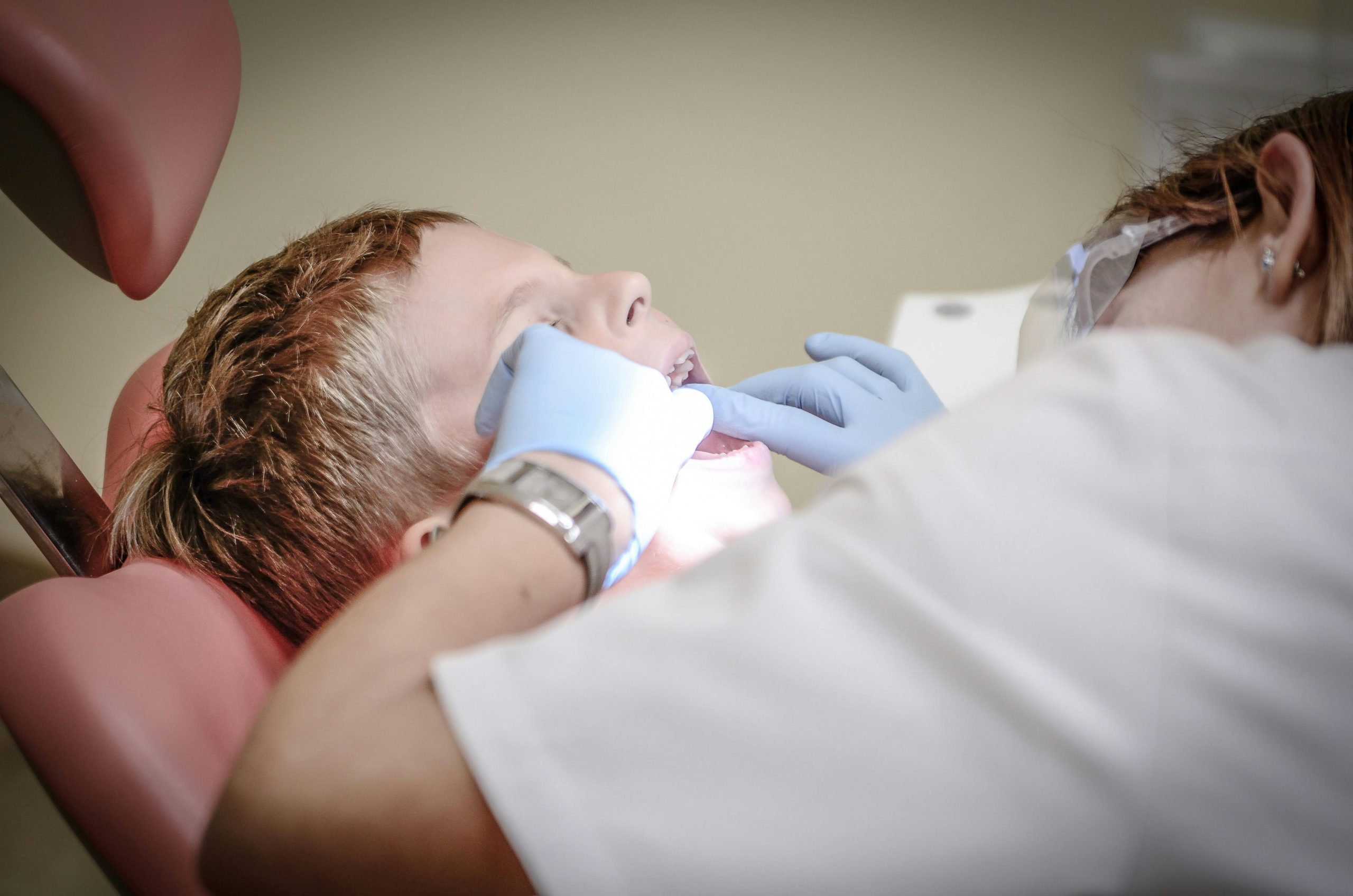
With this framework in place, the CDCP ensures that low‑ and middle‑income Canadians gain reliable coverage for essential dental services, fostering healthier smiles and stronger communities.
Dental care in Canada can be expensive, and without insurance, even a routine cleaning can cost over $150. For families on tight budgets, minor treatments may be postponed, leading to more complex and costly procedures later on. Studies show that financial concerns are one of the leading reasons Canadians delay or forgo dental visits.
Under the CDCP, your share of costs depends on your family’s AFNI:
For example, a $150 cleaning with an established fee of $120 would cost:
By dramatically reducing out‑of‑pocket expenses, CDCP allows families to:
Many public dental programs limit coverage to basic preventive services. CDCP goes much further by including:
The inclusion of restorative, periodontal, prosthodontic, and oral surgery services means that eligible Canadians can receive complete dental health solutions all under the umbrella of one program. This approach:
CDCP has negotiated participation from over 23,000 dental providers across Canada, ensuring that eligible individuals can find participating dentists in urban, suburban, and many rural communities. The network includes:
Participating CDCP dentists use a standardized digital portal to:
This streamlined process means:
Regular dental check‑ups and cleanings are the cornerstone of oral health. With CDCP covering:
Canadians are more likely to maintain appointments that detect early signs of decay, gum disease, and oral cancers.
Emerging research links poor oral health to systemic conditions such as cardiovascular disease, diabetes complications, and adverse pregnancy outcomes. By facilitating preventive dental visits, CDCP contributes to:
Before CDCP, many Canadians, particularly seniors on fixed incomes, low‑wage workers, newcomers, and Indigenous populations faced significant barriers to care. By tying eligibility to family income rather than employment status:
CDCP helps level the playing field by ensuring that one’s ability to afford dental care no longer determines the quality of oral health received. The program emphasizes:
To fully benefit from the Canada Dental Care Plan, keep these practical tips in mind:
Check Your Eligibility Early
– File your taxes on time and ensure your Notice of Assessment is up to date.
– Confirm you have no overlapping private dental coverage.
Apply as Soon as Possible
– Online via your My Service Canada Account (canada.ca/dental) or by phone at 1‑833‑537‑4342.
– Applications typically process in 4–6 weeks; track status online.
Choose a Participating Dentist
– Use the CDCP provider locator on the government website to find a convenient office.
– Confirm they offer direct billing to Sun Life to minimize out‑of‑pocket expenses.
Schedule Preventive Visits
– Book two cleanings or exams per year to take advantage of full preventive benefits.
– Ask your dentist about additional preventive services like sealants or fluoride varnish.
Plan for Complex Treatments
– For major procedures requiring preauthorization, allow extra lead time (2–4 weeks for approval).
– Request a detailed cost estimate so you understand any co‑payments or fee differences.
The Canada Dental Care Plan represents one of the most significant expansions of public dental benefits in Canadian history. By delivering substantial cost savings, comprehensive service coverage, streamlined access, preventive‑focused care, and greater equity, CDCP sets a new standard for oral health policy. Eligible Canadians no longer need to delay or skip essential dental visits for financial reasons. Instead, they can embrace the full spectrum of preventive and restorative services, safeguarding both their smiles and their overall health.

Whether you’re a family with young children, a senior on a fixed income, or a working adult without employer benefits, the CDCP can transform how you approach dental care.
Don’t miss out on these five key benefits—check your eligibility, apply today, and take advantage of the plan designed to make dental health truly accessible for all.
Thursday, July 24th, 2025
Unhealthy gums are more than a cosmetic concern—they’re a warning sign that your oral health, and potentially your overall health, may be at risk. Healthy gums are typically firm, pale pink, and fit snugly around your teeth. However, when gum tissue becomes inflamed, discoloured, or recedes, it can lead to a cascade of problems, including bad breath, loose teeth, bone loss, and even systemic inflammation linked to heart disease and diabetes. Understanding what unhealthy gums look like and knowing how to treat and prevent gum disease empowers you to protect your smile and your well-being.
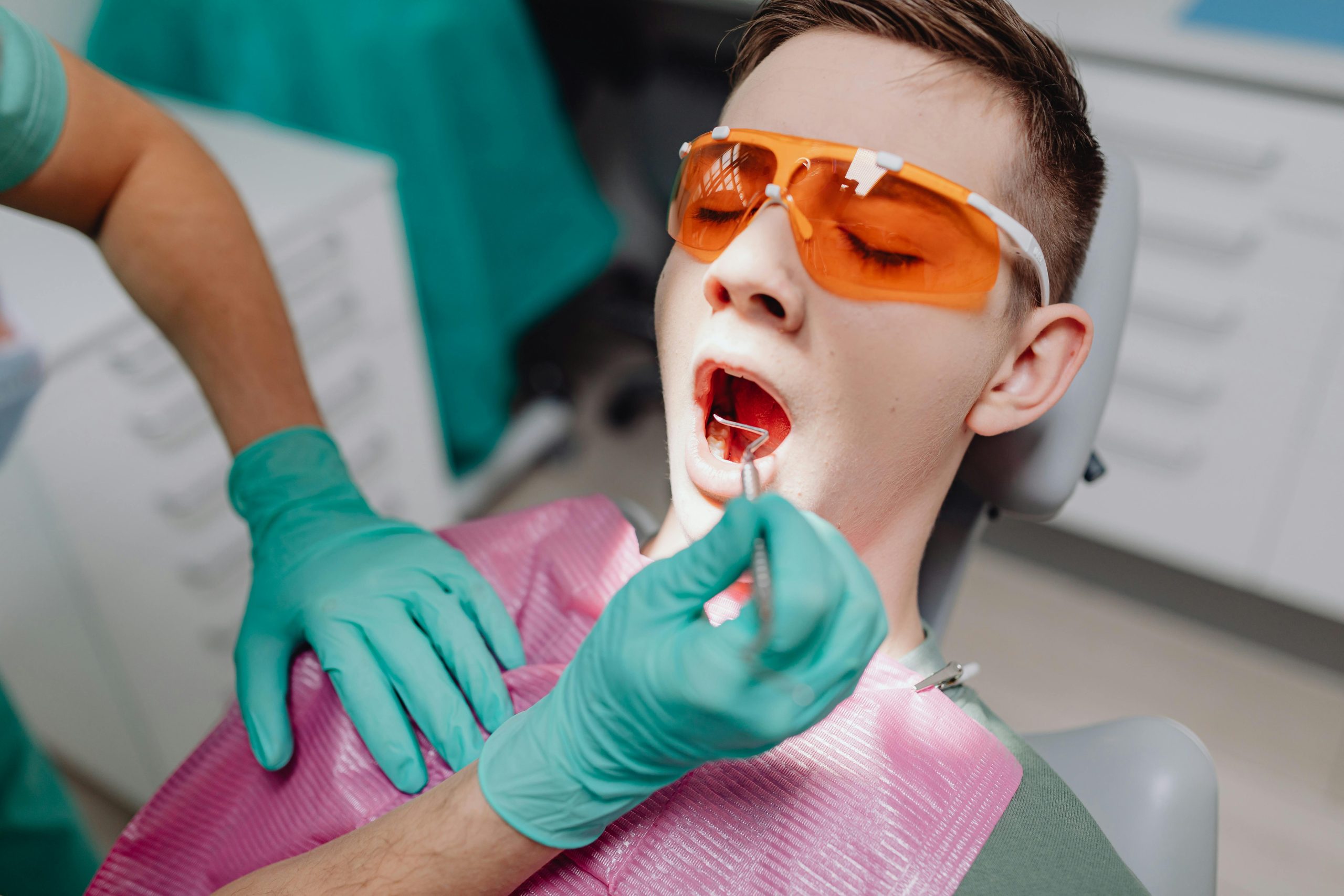
Gum disease, also known as periodontal disease, refers to infections and inflammation of the structures around your teeth, primarily the gums and supporting bone. It begins with gingivitis, where the gingival (gum) tissue becomes irritated by plaque, a sticky film of bacteria that accumulates on tooth surfaces. If left untreated, gingivitis can progress to periodontitis, a more severe form in which pockets form between teeth and gums, allowing bacteria to invade deeper tissues. Over time, this can lead to the breakdown of periodontal ligaments and jawbone, resulting in loose teeth or even tooth loss. Early detection and intervention are critical; gum disease is largely preventable and, in its initial stages, reversible.
Recognizing the visual and tactile signs of unhealthy gums is the first step toward seeking treatment. Common indicators include:
If you notice any combination of these symptoms, consult a dental professional promptly to prevent progression.
While gum disease represents a spectrum, it’s typically classified into a few key categories:
Gingivitis
Chronic Periodontitis
Aggressive Periodontitis
Necrotizing Periodontal Disease
Understanding which type you have guides treatment strategies and helps your dental team tailor care effectively.

Reversing gum disease and restoring healthy gum tissue involves a combination of professional care and disciplined home hygiene:
Professional Cleaning (Scaling and Root Planing)
Antimicrobial Treatments
Surgical Interventions
Laser Therapy
Adjunctive Natural Remedies
While not a substitute for professional care, specific natural approaches can support gum healing:
Consistent follow-up appointments are vital for monitoring healing, measuring pocket depth reductions, and adjusting treatment as needed.
Also read: 10 Benefits of Choosing A Family Dentistry
After reversing gum disease, sustaining a regimen of excellent oral hygiene and lifestyle practices is key to preventing recurrence:
1. Daily Oral Hygiene
2. Therapeutic Mouthwash
3. Regular Dental Visits
4. Balanced Nutrition
5. Avoid Tobacco
6. Manage Stress and Systemic Health
By integrating these habits into your daily life, you create an environment hostile to pathogenic bacteria and foster resilient gum tissue that can withstand bacterial challenges.
Gum disease often progresses silently—pain may be absent until advanced stages. Vigilance is crucial:
Your dentist or dental hygienist can provide personalized risk assessments, tailor maintenance intervals to your needs, and recommend specific products that are suited to you.
Unhealthy gums are more than unsightly; they’re a harbinger of deeper oral and potentially systemic—health concerns. Remember, consistent daily care paired with professional support is the cornerstone of periodontal health. If you notice any red flags or have concerns about your gum health, contact our dental team promptly. Early action preserves both gum tissue and the structures that support your teeth.
Friday, June 20th, 2025
As a parent, one of your top priorities is protecting your child’s health, and that includes their dental health. While regular checkups with a pediatric dentist help prevent most oral issues, dental emergencies can still occur. Whether it’s a sudden toothache, an accident at the playground, or unexplained swelling, knowing when to take your child to an emergency pediatric dentist can make all the difference in ensuring quick recovery and preserving their oral development.
In this blog, we’ll explore what constitutes a pediatric dental emergency, everyday situations that require urgent care, what to expect during an emergency visit, and how to prevent dental crises in the future.
An emergency pediatric dentist is a dental professional specializing in treating urgent dental problems in children from toddlers to teens. These dentists are trained to handle trauma, infections, and other time-sensitive oral health issues while also creating a calming environment for young patients who may be anxious or in pain.
Unlike routine dental visits, emergency appointments are typically scheduled on short notice to address issues that can’t wait. The goal is to alleviate pain, prevent complications, and protect your child’s dental health.
Recognizing the signs of a dental emergency can help you act quickly. Below are some of the most common red flags that warrant an immediate call to your pediatric dentist:
Persistent or intense tooth pain is often a sign of an underlying issue such as:
If your child is complaining of pain that doesn’t subside with over-the-counter medication or is keeping them awake at night, it’s time to see an emergency pediatric dentist.
Swelling often indicates infection or trauma. A dental abscess, in particular, can cause painful swelling and may spread to other areas of the face or neck if left untreated. Swelling should always be taken seriously and addressed immediately.
If your child knocks out a permanent tooth, time is critical. Acting within 30 to 60 minutes can sometimes save the tooth. Gently rinse the tooth (don’t scrub it), then place it in a container of milk or saline and visit the dentist immediately.
For baby teeth, while they are not re-implanted, an emergency evaluation is still necessary to ensure there’s no damage to the underlying permanent tooth or surrounding tissues.
Depending on the severity, a chipped or broken tooth can expose sensitive nerves and increase the risk of infection. If your child breaks a tooth:
Contact your pediatric dentist for an emergency evaluation.

Some bleeding after losing a baby tooth is normal. However, if the bleeding is excessive or continues beyond 15 minutes despite applying pressure, it could indicate a more serious issue, such as trauma to the gums or tongue and requires emergency attention.
Symptoms of a dental abscess may include:
An abscess is a severe infection that, if left untreated, can spread and become life-threatening. Seek emergency dental care immediately.
While not always urgent, if your child loses a filling or crown and experiences pain or sensitivity, it’s best to see a dentist promptly. A loose orthodontic wire or bracket that’s poking into the cheek or gums also requires urgent adjustment.
Oral trauma from falls, sports, or biting accidents can cause lacerations to the soft tissues. If bleeding is severe or there is concern about stitches or infection, an emergency dental visit is recommended.
Not every dental issue is an emergency. Some problems can be addressed during regular office hours. These include:
However, if you’re ever in doubt, it’s always safer to call your pediatric dental clinic for guidance. Most offices provide emergency phone lines or on-call professionals for such situations.
Knowing what will happen during an emergency visit can ease your child’s fears and help you feel more prepared.
Initial Assessment: The dentist will:
Immediate Treatment: Depending on the issue, treatment may include:
Child-Centered Approach: Pediatric dentists utilize behaviour management techniques to minimize the stress associated with emergency visits. From kid-friendly language to gentle reassurance and distraction tools, their goal is to help your child feel safe and supported.

Emergencies are unpredictable, but a little preparation can go a long way. Here are some tips to stay ready:
Include:
Ask your child’s dentist:
Depending on their age, teach your child:
While not all emergencies can be avoided, many can be prevented with proactive care:
A dental emergency can be frightening for both child and parent. But with the correct information, you’ll be equipped to act quickly, get the care your child needs, and protect their smile for the future. Knowing when to take your child to an emergency pediatric dentist is an essential part of being prepared.
Whether it’s a knocked-out tooth, unexplained swelling, or unbearable pain, don’t hesitate to contact your pediatric dentist immediately. Prompt treatment not only relieves discomfort but also prevents long-term complications and supports proper oral development.
Remember: In case of doubt, always call. When it comes to your child’s smile, it’s better to be safe than sorry.
Friday, June 20th, 2025
Oral health is a lifelong journey and it affects every member of your household. From toddlers cutting their first teeth to grandparents preserving their natural smile, everyone has unique dental needs. That’s where family dentistry comes in. A family dental practice offers comprehensive oral care for patients of all ages, making it easier to manage and maintain the health of your entire family in one trusted location. Whether you’re considering switching from multiple providers to a single dental clinic or seeking a reliable, long-term solution for your family’s oral health, choosing a family dentist may be the most sensible move. In this blog, we’ll explore the 10 key benefits of choosing a family dentistry and why it could be the best decision for your loved ones.
One of the most immediate and obvious advantages of family dentistry is convenience. Rather than juggling multiple appointments at different locations for each family member, family dental clinics allow you to schedule checkups, cleanings, and treatments in one place.
Why it matters:
Family dentists are equipped to handle a wide range of dental needs across various age groups. From early childhood exams and cavity treatments to adult cosmetic procedures and senior oral care, family dentistry offers full-spectrum dental services.
Services typically include:
Brookmere Dental Group offers personalized care tailored to the evolving needs of each family member, all in one convenient location.
Consistency is key in healthcare, and the same applies to dentistry. Choosing a family dentist means building a long-term relationship with a trusted dental provider who understands your family’s history, preferences, and specific needs.
Long-term care helps:
Over time, your dentist becomes familiar with your family’s dental patterns, allowing them to make informed decisions and implement early interventions.
Genetics play a role in many oral health issues, from gum disease and weak enamel to concerns about alignment and bite. A family dentist maintains records for all family members, making it easier to monitor hereditary dental issues.
Benefit highlights:
Children’s teeth go through several phases from baby teeth to permanent teeth and often require braces or orthodontic treatment. A family dentist closely monitors oral development through each stage, ensuring timely treatment and guidance.
Advantages include:
Choosing a family dentistry means your child sees the same provider over the years, fostering trust and consistency in care.
Going to the dentist can be intimidating for young patients. However, when children regularly visit the same family dentist who also treats their parents and siblings, they tend to feel more comfortable and less anxious.
What makes family dentistry child-friendly:
Brookmere Dental Group’s gentle and compassionate approach to family dentistry helps children develop a healthy attitude toward oral care from a young age.
Family dental clinics often offer more flexible scheduling options to accommodate busy families. Many are open early in the morning, evenings, or even weekends. Additionally, family dentists are often available for emergency dental care—which is beneficial when you have kids or seniors in the home.
Why this matters:
One of the pillars of family dentistry is prevention. Family dentists educate patients of all ages about proper oral hygiene, nutrition, and habits that contribute to long-term dental health.
Preventive benefits:
Preventive education can make a big difference, especially when it starts early. Brookmere Dental Group focuses on empowering families to take control of their oral health.
Having a single provider for your family simplifies record-keeping and communication. Medical and dental histories are stored securely and can be referenced easily during treatment planning or in emergencies.
Advantages:
With centralized records, We can develop tailored treatment plans that meet the unique needs of each family member while tracking ongoing care and treatment.
Choosing a family dentist can also offer economic benefits. Many practices provide bundled appointments, family plans, or preventive care packages that help reduce out-of-pocket costs over time.
Financial benefits include:
Brookmere Dental Group combines professional expertise with a compassionate, family-centred approach to oral health care. Serving patients of all ages, their team is committed to providing:
Whether you’re scheduling a toddler’s first dental visit or seeking restorative care for yourself or a senior parent, We are equipped to support your family’s complete oral health journey. Book your family’s appointment today with Brookmere Dental Group and experience the difference of care designed for all generations.
Friday, May 16th, 2025
At Brookmere Dental Group, we believe everyone deserves a healthy, beautiful smile and we’re here to make that happen. As a trusted Dental Clinic in Tri-Cities, we provide high-quality, comprehensive dental care for individuals and families. Whether you need a routine check-up, advanced restorative treatment, or a complete smile makeover, our experienced and compassionate team is dedicated to delivering gentle, personalized care in a warm and welcoming environment. Your comfort, health and confidence are our top priorities.
Achieve the smile you’ve always desired with our cosmetic dentistry services. We offer a range of treatments, including teeth whitening Tri-Cities, veneers and smile makeovers, to enhance the aesthetics of your teeth. Our experienced team utilizes advanced techniques to deliver natural-looking results that boost your confidence.
At Brookmere Dental Group, we cater to patients of all ages, from children to seniors. Our family dentistry services encompass routine check-ups, cleanings, and preventive care to ensure the long-term health of your teeth and gums. We prioritize creating a positive dental experience for every member of your family.
Missing teeth can impact both function and appearance. Our dental implant solutions provide a permanent and natural-looking replacement. Using state-of-the-art technology, we place implants that integrate seamlessly with your jawbone, restoring your smile and confidence.
Dental emergencies can occur unexpectedly. Our emergency dentistry services are designed to address urgent dental issues promptly. Whether it’s a severe toothache, broken tooth, or other urgent concerns, our team is ready to provide immediate care to alleviate pain and prevent further complications.
Preventive Dentistry Tri-Cities: Maintain Optimal Oral Health
Prevention is the cornerstone of good oral health. We offer preventive services such as regular cleanings, fluoride treatments, and sealants to protect your teeth from decay and disease. Our goal is to help you maintain a healthy smile for life.
When the pulp of a tooth becomes infected, a root canal may be necessary to save the tooth. Our skilled team performs root canal therapy with precision and care, aiming to preserve your natural tooth and alleviate discomfort.
Achieve a straighter smile without the hassle of traditional braces. Invisalign clear aligners are a discreet and comfortable alternative, gradually shifting your teeth into proper alignment. Our team will work with you to create a personalized treatment plan.
Enhance the brightness of your smile with our professional teeth whitening services. We offer safe and effective treatments that remove stains and discoloration, giving you a radiant smile.
Dental crowns and bridges are essential for restoring damaged or missing teeth. Crowns cover and protect a damaged tooth, while bridges replace one or more missing teeth, restoring function and appearance. Our team ensures precise fittings for optimal comfort and durability.
Ready to experience exceptional dental care? Contact affordable dentist Tri-Cities, and schedule an appointment at Brookmere Dental. Our friendly team is here to assist you and answer any questions you may have.
Tuesday, April 15th, 2025
A bright smile is more than just a sign of confidence—it reflects your overall health. Maintaining good oral hygiene helps protect against cavities, gum problems and other dental problems that affect overall health. Over time, factors like diet, lifestyle choices and aging can affect the condition of your teeth and gums.
With the right approach and these oral health tips you can maintain a healthy mouth at any stage of life. From proper brushing techniques to dietary choices, taking care of your teeth requires consistency.
Neglecting oral health doesn’t just lead to toothaches and bad breath; it can contribute to more serious conditions like heart disease and diabetes. To ensure a long-lasting, radiant smile, it’s essential to follow these oral health tips and visit your dentist regularly for preventive care.
Tooth decay is one of the most common dental problems. It starts when bacteria in the mouth release acids that weaken and wear down the enamel. The breakdown of this protective layer can lead to cavities, tooth sensitivity and even infections if left untreated.
Fortunately, preventing decay is simple with a few daily habits. Brushing with fluoride toothpaste strengthens enamel and removes plaque, while flossing eliminates food particles that can lead to bacterial buildup. You can also drink fluoridated water, which supports enamel remineralization and strengthens teeth against decay. Visiting a dentist regularly allows for the early detection of cavities, ensuring timely treatment before the problem worsens.
People don’t realize oral health is closely linked to their well-being. Studies indicate that gum disease has been related to a growing risk of systemic situations, including heart disease, diabetes and even cognitive decline.
Bacteria from the mouth can go to the bloodstream, contributing to inflammation. If you experience symptoms like swollen gums, persistent bad breath, or tooth sensitivity, it may indicate an underlying health issue.
Ignoring these warning signs can lead to severe dental complications, including tooth loss and infections. Caring for your teeth and gums enhances your smile and helps prevent severe medical conditions. You can invest in your overall health and quality of life by prioritizing oral health tips.

Gum health is just as crucial as maintaining strong teeth. Gum disease starts as mild gingivitis, causing redness and swelling, but if left untreated, it can progress into periodontitis, leading to receding gums and bone loss. Daily brushing and flossing are essential to prevent plaque buildup along the gumline. Taking foods rich in vitamin C and calcium supports healthy gums and reduces inflammation.
Avoiding smoking is also crucial, as tobacco products increase the risk of severe gum disease. If you notice these problems: bleeding gums, persistent bad breath, or gum recession, consult a dentist for professional cleaning and treatment options. A proactive approach to gum care ensures your teeth remain well-supported and infection-free.
Brushing and flossing might seem simple, but doing them correctly makes a significant difference in maintaining oral hygiene. Many people either rush through brushing or use improper techniques, which can leave plaque and bacteria behind. Using a soft-bristled toothbrush, brushing in small circular motions and reaching all surfaces of the teeth ensures effective cleaning. Replacing your toothbrush every three months also prevents bacterial buildup.
Flossing is equally essential, as it removes plaque and food debris between teeth that a toothbrush cannot reach. Flossing before brushing is ideal, as it loosens particles, allowing the fluoride in toothpaste to reach deeper areas. Floss picks and water flossers offer convenient alternatives for those with dexterity issues. Mastering these fundamental techniques can reduce your risk of cavities and gum disease.
Proper maintenance is essential for individuals who wear dentures to ensure comfort and longevity. Cleaning dentures daily prevents bacteria buildup and staining, while soaking them overnight in a cleansing solution keeps them fresh. It’s also important to have dentures adjusted if they become loose to prevent irritation or sores on the gums. Regular dental visits help ensure that your dentures fit properly and function effectively.
A dry mouth, or xerostomia, can increase the risk of cavities and gum disease. Medications, dehydration, or certain medical conditions often cause this condition. Drinking water frequently, chewing sugar-free gum to stimulate saliva and avoiding alcohol and caffeine can help manage dry mouth. Dentists may recommend saliva substitutes or medications to increase moisture levels in severe cases.
Oral cancer can also develop without any symptoms, making regular screenings essential. Heavy tobacco use and frequent alcohol consumption significantly elevate the risk, so limiting these habits can help prevent the disease. Protecting lips from sun exposure with SPF-infused lip balm and scheduling routine dental exams for early detection are also essential steps in prevention.
These oral health tips can prevent dental problems and maintain a healthy smile for years. Prioritizing daily hygiene, making wise dietary choices, and keeping in touch with your dentist regularly will keep your teeth and gums in top condition. A commitment to oral care enhances your smile and supports overall health, allowing you to enjoy a lifetime of confidence and well-being.
Ans: Poor oral health symptoms include bleeding gums, persistent bad breath, tooth sensitivity, loose teeth, mouth sores, and changes in enamel texture. A dentist should evaluate any of these issues.
Ans: Brushing and flossing daily, cleaning your tongue, staying hydrated, using an antibacterial mouthwash, and treating any underlying dental issues can help eliminate bad breath.
Ans: Use fluoride toothpaste, consume a diet rich in calcium and vitamin D, avoid acidic foods, and keep your teeth strong by getting regular dental checkups.
Ans: Vitamin C-rich foods like citrus fruits, bell peppers, and leafy greens support gum health, while dairy products and almonds strengthen teeth with calcium.
Ans: Vitamin C helps maintain gum tissue, while vitamin D aids in calcium absorption, strengthening teeth.
Ans: A tongue scraper or gently brushing your tongue helps remove bacteria.
Ans: Antibacterial mouthwash and diluted hydrogen peroxide can effectively reduce harmful bacteria.
Ans: Brushing twice daily, flossing daily, drinking water, and seeing a dentist regularly ensures a healthy mouth.
Ans: Floss first, then brush and finish with mouthwash for optimal cleanliness.
Ans: Lousy breath, food particles, dry mouth, or gum disease mainly cause plaque buildup.
Monday, March 24th, 2025
Dealing with damaged or missing teeth can impact your confidence -and even your ability to chew or speak properly. The good news? Dental crowns and bridges are two highly effective solutions that can restore the function and appearance of your smile.
We at, Brookmere Dental Group in Port Coquitlam offer custom dental crowns and bridges tailored to your unique needs. Whether you are looking to fix a broken tooth or replace a missing one, we are here to help you smile with confidence again.
Before diving into the benefits, let’s break down what these restorations actually are:
These restorations are typically made from porcelain, ceramic, or other durable materials that match the natural color of your teeth.
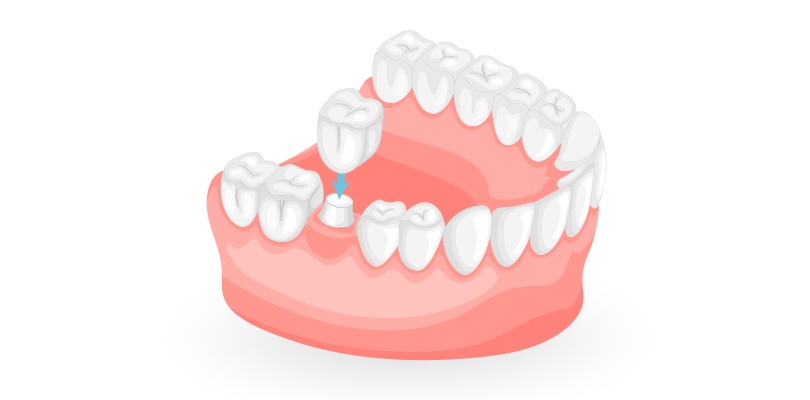
If you’re wondering whether a dental crown is right for you, here are a few compelling reasons to consider one:
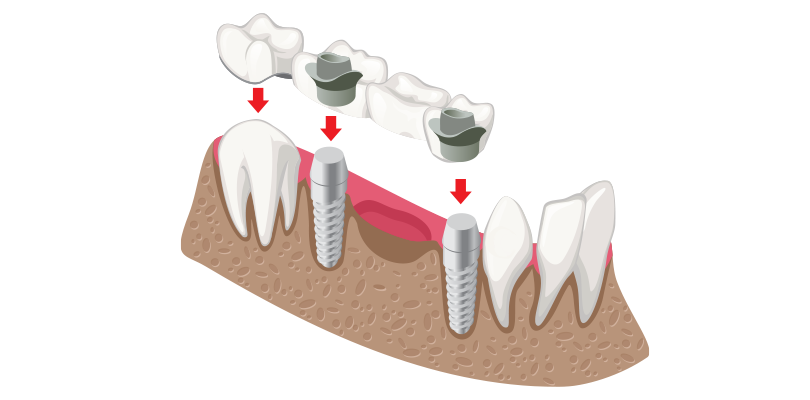
Missing a tooth (or several)? A dental bridge might be the perfect option for you.
If you have:
You may benefit from a crown or bridge. Our team will assess your oral health and help you choose the right option for your needs.
At Brookmere Dental Group, we believe your dental care should be comfortable, customized, and long-lasting. Our modern office uses digital impressions for precise fittings, and we work with trusted labs to ensure your crown or bridge fits like a glove.
Don’t let damaged or missing teeth hold you back any longer. Schedule a consultation today and let’s explore how dental crowns or bridges can bring back your confidence.
How long do dental crowns and bridges last?
With proper care, dental crowns and bridges can last anywhere from 10 to 15 years or longer. Regular dental cleanings and checkups play a big role in extending their lifespan.
Do dental crowns and bridges hurt?
The procedures are generally painless, especially with the help of local anesthetic or sedation options we offer. You may feel some mild discomfort or sensitivity for a few days after the procedure, but it typically resolves quickly.
Are crowns and bridges covered by insurance?
Most dental insurance plans cover for crowns and bridges when they are deemed medically necessary. We recommend checking with your provider, and we’re happy to assist you with insurance paperwork during your visit to Brookmere Dental.
Can I eat normally with a crown or bridge?
Yes! Once your crown or bridge is fully placed, you can eat all your favorite foods again. We do recommend avoiding very hard or sticky foods to prevent damage.
What is the difference between a crown and a bridge?
A crown is used to restore a single damaged tooth, while a bridge is used to bridge one or more missing teeth. Bridges usually rely on adjacent healthy teeth or implants to stay in place.
Do I need a crown after a root canal?
Yes, in most cases. A tooth that has had a root canal treatment can become brittle over time. A crown helps protect and strengthen the tooth after the procedure.
How do I care for my crown or bridge?
Oral hygiene is key! Brush and floss daily, and don’t skip your routine dental exams and cleanings. If you grind your teeth at night, a custom night guard can help prevent damage.
Saturday, March 22nd, 2025
Root canal therapy is a dental treatment used to treat infection at the root of a tooth—called the pulp. When the pulp becomes inflamed or infected, it can cause intense pain. That’s where root canal treatment comes in.
Think of it like a deep cleaning for the inside of your tooth, followed by sealing it up to protect it from further damage.
Here’s everything you need to know about root canal therapy.
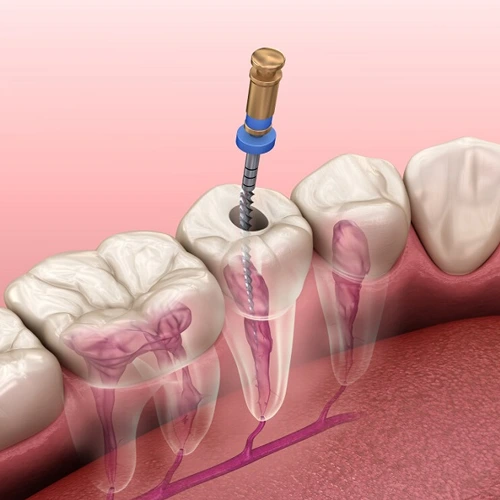
Root canal therapy is a dental procedure used to treat infection or inflammation inside a tooth. This infection usually happens when the soft tissue (called the pulp) becomes damaged due to deep decay, repeated dental procedures, or trauma.
Rather than removing the tooth, root canal treatment cleans out the infected area, seals it, and helps prevent future problems.
You won’t always see the issue, but your body may be telling you something’s wrong. Watch for these symptoms:
If you’re experiencing any of these signs, it’s important to schedule a comprehensive exam with your dentist.
At Brookmere Dental Group, root canal therapy is straightforward and comfortable. Here’s a quick breakdown:
A root canal isn’t just about stopping pain—it’s about saving your natural tooth and preventing future dental issues. Here are some key benefits:
Remember, keeping your natural tooth is always better than replacing it with a bridge or implant when possible.
One of the biggest benefits of root canal therapy is that it lets you keep your natural tooth—which is always better than extraction. Losing a tooth can affect your chewing, appearance, and may even lead to shifting of nearby teeth. Plus, it often requires more complex work like dental implants.
Most people return to normal activities the next few days. You might feel some tenderness, but over-the-counter pain medication usually does the trick. Any discomfort should improve in a few days.
If you ever feel prolonged pain or swelling after your procedure, contact a denstist right away.
Let’s bust a few common myths:
Myth: Root canals are extremely painful.
Fact: With modern techniques and anesthesia, they feel similar to getting a filling.
Myth: You’ll lose the tooth anyway.
Fact: A successful root canal can keep your tooth healthy for a lifetime.
Myth: Tooth extraction is better.
Fact: Saving your natural tooth is always the preferred option when possible.
While tooth extraction might seem like a quicker fix, it often leads to more complex (and costly) procedures down the road, like dental implants or bridges.
Root canal treatment is the more tooth-friendly option. It allows you to keep your natural smile intact and avoid changes in your bite alignment.
Whether you’re experiencing tooth pain or looking for a second opinion, our experienced dentists in Coquitlam is here to help.
We offer gentle, effective root canal therapy and a full range of general, preventive, and cosmetic dental services.
Don’t ignore the pain—your teeth are talking. Book an appointment today and take the first step toward relief and a healthier smile.
Sunday, January 5th, 2025
Your smile’s appearance and oral health can be greatly impacted by missing teeth. Everyday activities like chewing, speaking, and even smiling can become a challenge when teeth are missing. Fortunately, dental bridges offer a practical and aesthetically pleasing solution to fill the gaps in your smile, restore dental function, and improve overall oral health.
In this blog, we’ll explore what dental bridges are, how they work, the types of bridges available, the procedure for getting a bridge, and the benefits they offer.
By physically “bridging” the gap, a dental bridge is a prosthetic tool used to replace one or more lost teeth. Crowns are placed on nearby healthy teeth or implants to secure the bridge on each side. The gap caused by the lost teeth is filled by the replacement tooth or teeth, known as pontics, which are placed in between these anchors.
Restoring your teeth’s functionality and avoiding additional oral health problems that may result from leaving a gap in your dental structure are the primary objectives of a dental bridge. Not only do they improve your smile, but they also help you chew food more effectively and speak clearly.
A dental bridge typically consists of the following:
The bridge is created just for your mouth, ensuring a natural look and comfortable fit. The materials used for bridges can vary, but they are often made from porcelain, ceramic, or a combination of materials to match the colour and shape of your natural teeth.
There are several types of dental bridges, and the right one for you depends on your specific dental needs:
Getting a dental bridge typically requires two visits to your dentist.
For implant-supported bridges, additional time is required for the placement of the implants, as the healing process can take several months before the bridge can be fitted.
Just like your natural teeth, dental bridges require proper care to ensure their longevity. Here are a few tips to maintain your bridge:
After losing a tooth, dental bridges are a good way to restore your smile’s beauty and functionality. A bridge provides a dependable and visually beautiful solution to close the gap, whether you’re wanting to replace one or multiple teeth. A dental bridge can endure for years with the right maintenance, enhancing your confidence in speaking, smiling, and chewing.
If you’re considering a dental bridge to restore your smile, the Brookmere Dental Group offers expert consultation and personalized treatment plans. Contact us today to learn more about how a dental bridge can benefit you and restore your dental health!
Wednesday, October 30th, 2024
Most individuals consider brushing, flossing, and routine dental exams to be important aspects of maintaining excellent oral health. However, occasionally, dental problems may occur that call for more involved care. Root canal therapy is one such procedure that is frequently required when the pulp of a tooth becomes injured or infected. You can take prompt action and protect your natural tooth by being aware of the warning signals that suggest you could require a root canal.
In this blog, we’ll discuss what root canal therapy is, why it’s important, and the key signs that indicate you may need this essential dental treatment.
The dental technique known as root canal therapy, or endodontic treatment, is used to treat inflammation or infection of the tooth pulp, which is the soft tissue inside the tooth that contains connective tissue, blood vessels, and nerves. The inside of the tooth is cleansed and disinfected, the damaged or infected pulp is removed, and the tooth is sealed to prevent further infections.
When the pulp gets infected as a result of extensive decay, recurrent dental operations, fissures, or trauma to the tooth, root canal therapy is frequently required. The infection can progress and cause excruciating pain, an abscess, and possibly tooth loss if treatment is not received.
Root canal treatment is crucial because it helps save your natural tooth. With a root canal, you can keep your tooth’s structure intact while still retaining its function and appearance, unlike with an extraction, which removes the tooth completely. This means that instead of undergoing more involved and costly surgeries like dental implants or bridges to replace a missing tooth, you can keep chewing and biting normally.
Furthermore, root canal therapy eliminates the infection and protects your surrounding teeth from the spread of bacteria, helping to maintain overall oral health.
Now that we’ve covered the basics of what a root canal is and why it’s essential let’s dive into the top signs that may indicate you need this treatment.
Persistent tooth pain is one of the most typical indicators that you could require a root canal. When you chew, bite down, or put pressure on the afflicted tooth, the pain usually gets worse. It might be continuous or sporadic. Your jaw, ear, or other teeth in the vicinity may also experience pain.
Tooth pain can have many causes, but when it’s severe and doesn’t go away, it’s a sign that something is wrong with the tooth’s nerve. If the pulp inside the tooth is inflamed or infected, root canal therapy may be mandatory to reduce discomfort and save the tooth.
Persistent sensitivity to cold or hot foods and beverages could indicate tooth canal injury. While mild sensitivity is common and can be caused by factors like enamel erosion, a tooth that remains sensitive for an extended period — especially if the discomfort lingers long after the hot or cold stimulus is removed — could be a sign of pulp damage.
Root canal therapy can address this issue by removing the damaged or infected pulp, restoring the tooth’s normal function, and eliminating sensitivity.
Another indication that you might require a root canal is swelling or soreness in the gums around the damaged tooth. An abscess or infection in the tooth’s root may be the cause of gum swelling, which results in discomfort and inflammation in the surrounding gum tissue. A dental fistula, a little pimple-like lump on the gums that permits the pus to drain from the infection, may occasionally accompany the swelling.
It’s critical to see a dentist right away if you experience persistent or worsening gum swelling so that they can assess whether a root canal is necessary to treat the infection.
A tooth that becomes discolored, particularly if it turns gray or dark, may indicate that the tooth’s nerve is dying or has already died. Trauma to the tooth, deep decay, or infection can damage the tooth’s internal structure, leading to discoloration.
While there are other potential causes of tooth discoloration, such as surface stains from food or drinks, a darkened tooth due to nerve damage often requires root canal therapy to prevent further complications.
If you feel pain or tenderness when touching the tooth or applying pressure, this could be a sign that the tooth’s nerve is inflamed or infected. This type of pain typically occurs when biting down or chewing and can range from mild discomfort to sharp, intense pain.
In cases where the pain doesn’t resolve on its own and worsens over time, it’s crucial to see a dentist for an evaluation. A root canal may be necessary to relieve the pressure and prevent further damage to the tooth.
A cracked or chipped tooth, especially one that extends deep into the tooth, can expose the pulp to bacteria, leading to infection. A root canal may eventually be necessary as a result of germs entering the tooth through even small fissures that don’t hurt right away.
If you’ve experienced dental trauma or noticed a crack or chip in your tooth, it’s important to have it assessed by a dentist to determine whether root canal therapy is required to protect the tooth and prevent infection.
A pocket of pus that develops at a tooth’s root as a result of bacterial infection is called an abscess. Severe pain, swelling, and even fever are common side effects of abscesses. In order to eliminate the infection, clean the root canal, and stop more problems, root canal therapy is frequently required if you have an abscess or recurring infection in a particular tooth.
Ignoring an abscess might result in more significant health problems as the infection may spread to other areas of your mouth or even enter your bloodstream. If you think you may develop an abscess, get dental care right away.
Root canal therapy is necessary for the preservation of your natural teeth and general dental health. Early detection of infection or pulp damage allows you to get treatment before the issue gets worse. Some of the warning indicators that you could require a root canal include tooth discolouration, swollen gums, sensitivity to hot and cold, and persistent tooth discomfort.
If you’re experiencing any of these symptoms, don’t wait. Contact Brookmere Dental Group today to schedule a consultation and find out if root canal therapy is the right solution for you. With timely intervention, we can help you save your tooth and restore your smile!