Tuesday, May 26th, 2026
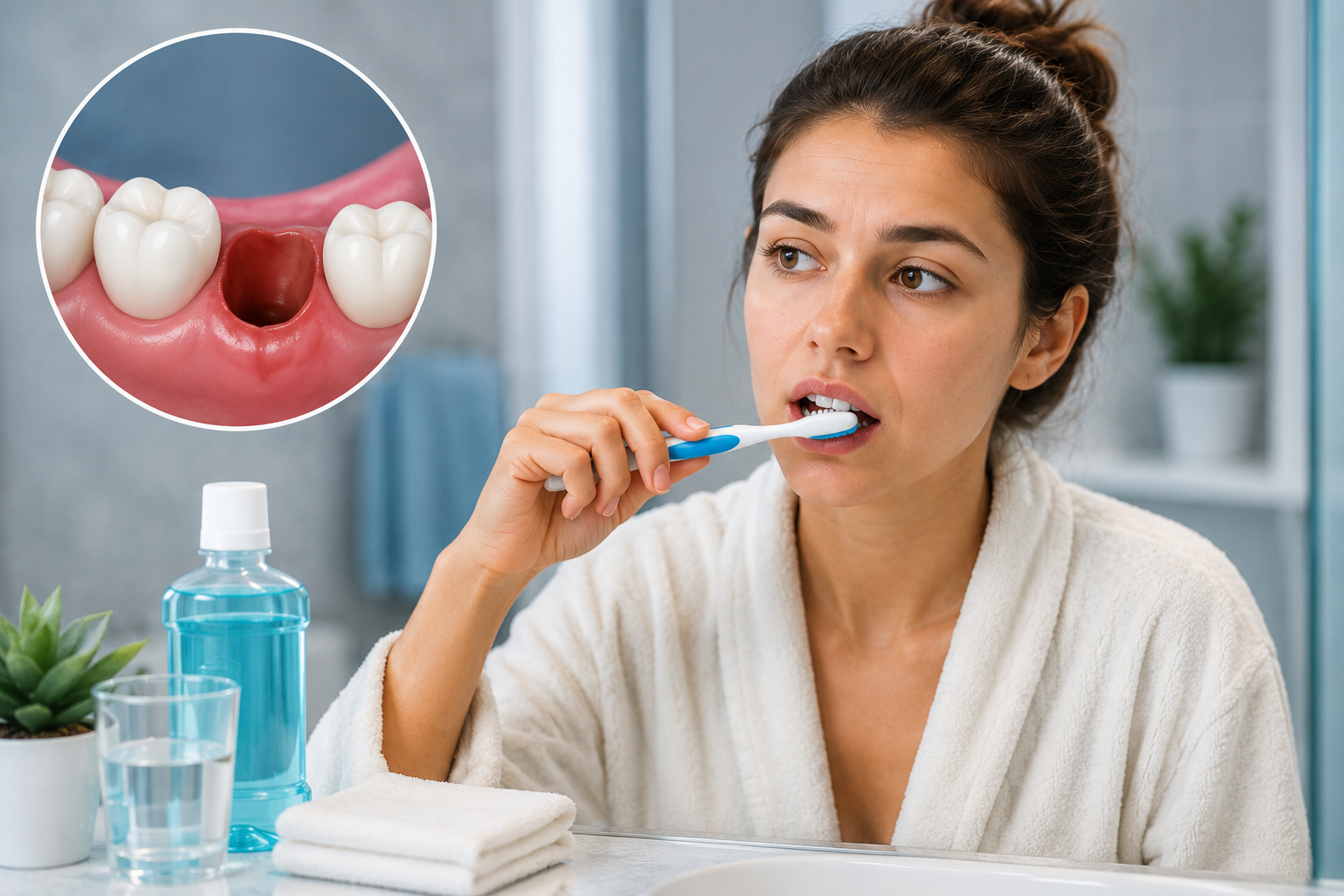
Getting your wisdom teeth removed is a major dental procedure, and while most people prepare for the swelling and soft-food diet, many are unsure about one important part of recovery: brushing their teeth safely afterward.
Although it may seem simple, brushing too aggressively after wisdom tooth extraction can irritate the healing area, disturb the blood clot, and slow down recovery. At the same time, keeping your mouth clean is essential to preventing infection and supporting proper healing.
Knowing when and how to brush after wisdom tooth removal can make recovery smoother, more comfortable, and far less stressful.
After wisdom tooth removal, it may feel safer to avoid brushing altogether, especially when your mouth feels sore and sensitive. However, keeping your mouth clean is an important part of the healing process. Bacteria and plaque can build up quickly after surgery, increasing the risk of infection and other complications if proper oral hygiene is neglected.
The key is not to stop brushing, but to brush carefully. Using the right technique, being gentle around the extraction area, and following your dentist’s instructions can help protect the healing site while keeping your mouth clean and healthy.
For the first 24 hours after your procedure, do not brush your teeth at all — not even gently. This window is critical because a blood clot is forming inside your empty socket. This clot is your body’s natural bandage; it protects the exposed bone and nerves beneath and is the foundation of all healing that follows.
During this first day:
If you feel desperate to freshen your mouth, you can gently dab the non-surgical areas with a moist cloth or take small sips of water. But keep everything as still as possible.
Starting from the second day, you can begin very carefully brushing the teeth that are away from the extraction site. Think of your mouth as having two zones: the healing zone (near the sockets) and the safe zone (everywhere else).
Here’s how to brush during days 2 and 3:
Also read: How Often Should You Get Your Teeth Cleaned?
About 24 hours after surgery, and more consistently from day 3 onward, warm salt water rinses can help keep the extraction area clean and support healing without irritating the sensitive tissue.
How to do a saltwater rinse correctly:
This gentle rinse flushes food debris and bacteria from around the wound without applying the kind of pressure that can disturb the clot or stitches.
At this stage, you can also begin very carefully and lightly brushing closer to the extraction site — not directly on it, but approaching it gradually as comfort allows.
By the end of the first week and into the second, most patients find that the extraction site is significantly less sensitive and that stitches (if dissolvable) are beginning to break down on their own.
You can now:
By week three to four, most patients are back to their normal brushing routine, though full bone healing of the socket takes several months.
A few practical additions can make post-extraction oral care significantly easier:
Soft-bristled or ultra-soft toothbrush: Non-negotiable during the first two weeks. Electric toothbrushes should be avoided in the early days — the vibration and pressure can be too intense near a healing wound.
Chlorhexidine mouthwash (if prescribed): Some dentists prescribe an antibacterial mouthwash like chlorhexidine for use after the first 24 hours. Use it exactly as directed — it’s highly effective at reducing bacteria but can stain teeth with prolonged use.
Oral irrigator or water flosser (after week 2): Once healing is well underway, a water flosser on its lowest pressure setting can help flush debris from the socket. Confirm with your dentist before using one.
Interdental brushes: Small and precise, these can be useful for cleaning between teeth near (but not inside) the healing socket.
Also read: Root Canal Before and After: What to Expect
Even well-intentioned patients sometimes make mistakes during recovery. Watch out for these:
If gentle brushing causes ongoing bleeding, severe pain, or a bad taste or smell from the extraction area, contact your dentist right away. These symptoms could be signs of infection or dry socket.
If you have concerns during healing, the team at Brookmere Dental Group is always here to support you with trusted, compassionate dental care. Contact us today for trusted guidance and compassionate dental care.
Q1. When can I start brushing my teeth after a wisdom tooth extraction?
We recommend avoiding all brushing for the first 24 hours after your extraction. After that, you can begin gently brushing the teeth away from the surgical site. Our team will give you specific instructions based on your procedure before you leave our office.
Q2. Can I brush the extraction site directly?
Not right away. For the first 3–4 days, avoid brushing directly over the socket. After that, our team suggests using the very tips of a soft-bristled brush in a light, circular motion — no scrubbing. Patience during this stage protects your clot and speeds up healing.
Q3. What type of toothbrush should I use after an extraction?
Always use a soft-bristle toothbrush during recovery. We advise against electric toothbrushes in the first week, as the vibration can be too strong near a healing wound. A compact or child-size brush can give you better control in a tender mouth.
Q4. Is it safe to use mouthwash after my procedure?
Avoid alcohol-based mouthwash for at least the first week — it can irritate healing tissue. If our team has prescribed a chlorhexidine rinse, use it exactly as directed. For most patients, warm saltwater rinses starting at the 24-hour mark are the safest and most effective option.
Q5. How do I do a saltwater rinse correctly?
Dissolve half a teaspoon of salt in a glass of warm water. Sip, hold for 30 seconds, then let the water drain gently from your mouth — do not spit with force. We recommend rinsing after meals and before bed. This simple step keeps the site clean without disturbing your healing clot.
Q6. What happens if I accidentally brush the extraction site too soon?
Don’t panic — one gentle graze is unlikely to cause serious harm. However, repeated or aggressive contact with the socket too early can dislodge the blood clot and lead to a dry socket. If you notice increased pain or bleeding after brushing, contact our team right away.
Q7. When can I go back to my normal brushing routine?
Most of our patients comfortably return to their regular brushing habits by the end of week two. We suggest easing back gradually — increasing pressure and coverage a little each day as the area becomes less sensitive. When in doubt, our team is always happy to advise.
Q8. Can I floss after wisdom tooth removal?
Yes, but carefully and only away from the extraction sites. Avoid flossing directly beside the socket until it has fully closed. We typically recommend waiting at least 1–2 weeks before reintroducing flossing near the surgical area.
Q9. Can I use a water flosser during recovery?
We suggest holding off on water flossers for the first two weeks. Once healing is well underway, a water flosser on the lowest pressure setting can be useful for flushing debris from the socket. Always check with our team before using one to make sure the timing is right for your recovery.
Q10. What signs should I watch for after brushing during recovery?
Contact our team at Brookmere Dental Group if you notice any of the following after brushing:
These symptoms may be signs of dry socket or infection, both of which are usually easy to treat when caught early. If something doesn’t feel right during your recovery, don’t hesitate to contact our office. We’re always here to help and support you.