

A root canal is an effective treatment that removes infection, relieves pain, and helps save your natural tooth. After the procedure, it’s normal to have mild tenderness for a few days as the area heals. During this time, choosing the right foods can make your recovery more comfortable and help protect the treated tooth.
While you don’t need to follow a strict diet for long, eating soft, nutritious foods and avoiding anything that puts pressure on the treated tooth can help speed up healing. If you’ve recently had root canal, here’s what you should know about eating during your recovery.
Wait Until the Numbness Wears Off
After your root canal, your mouth will remain numb for a few hours because of the local anesthetic. It’s best to avoid eating until the numbness has completely worn off.
Eating too soon increases the risk of accidentally biting your tongue, cheek, or lips without realizing it. Once the feeling returns, you can begin with soft foods that are easy to chew.
What Foods Can You Eat After a Root Canal?
For the first day or two, choose foods that require very little chewing. Soft foods reduce pressure on the treated tooth and help minimize discomfort during recovery.
Some good options include:
- Yogurt
- Mashed potatoes
- Scrambled eggs
- Oatmeal
- Applesauce
- Smoothies (avoid using a straw if your dentist advises against it)
- Soup that is warm rather than extremely hot
- Soft pasta
- Rice
- Cottage cheese
These foods provide nourishment while allowing the treated area to heal comfortably.
Also Read: How Long Does a Root Canal Take
Stay Hydrated
Drinking plenty of water is important after any dental procedure. Water helps keep your mouth clean, supports healing, and washes away food particles that could collect around the treated tooth.
Try to avoid sugary drinks, carbonated beverages, and excessive amounts of coffee during the first day if they increase sensitivity or discomfort.
Foods to Avoid After a Root Canal
Although your tooth has been treated, it may still be temporarily weakened until a permanent filling or dental crown is placed. Certain foods can place unnecessary pressure on the tooth or damage a temporary restoration.
It’s best to avoid:
- Hard candies
- Ice
- Nuts
- Popcorn
- Sticky candies
- Chewing gum
- Hard chips
- Very crunchy vegetables
- Tough meats
If your dentist has placed a temporary filling, these foods may cause it to loosen or break before your follow-up appointment.
Avoid Chewing on the Treated Tooth
Even if you’re eating soft foods, try to chew on the opposite side of your mouth until your dentist confirms that the treated tooth is fully restored.
This is especially important if you’re waiting for a permanent dental crown. A crown provides the strength needed to protect the tooth during everyday chewing.
Can You Eat Normally Again?
Most patients can gradually return to their regular diet within a few days as the tenderness improves.
However, if your dentist recommends a dental crown after your root canal, continue avoiding very hard foods until the crown has been placed. Once the restoration is complete and your dentist confirms everything is healing well, you can usually enjoy your normal diet again.
What If It Hurts to Eat?
Mild tenderness while chewing is common for a few days after a root canal. This usually improves as the surrounding tissues heal.
If eating becomes increasingly painful instead of better, or if you notice significant swelling, contact your dentist. Persistent pain may indicate that the tooth needs further evaluation.
Also Read: Is Root Canal Treatment Painful? What You Can Really Expect
Tips for a Comfortable Recovery
Eating carefully after a root canal can help make your recovery smoother. Choose soft, balanced meals, drink plenty of water, and continue brushing and flossing gently to keep your mouth clean. Follow all aftercare instructions provided by your dentist and take any recommended medication as directed.
Most importantly, don’t skip your follow-up appointment if a permanent crown is needed. Completing your treatment helps protect the tooth from future damage.
Protect Your Tooth During Recovery
A root canal removes infection and relieves pain, but proper aftercare plays an important role in ensuring long-term success. Choosing soft foods, avoiding hard or sticky snacks, and following your dentist’s recommendations will help your tooth heal properly and reduce the risk of complications.
If you are looking for a new dentist in Coquitlam, Brookmere Dental Group welcomes patients of all ages with comprehensive, patient-focused dental care. Our experienced team is committed to providing a comfortable experience, personalized treatment plans, and modern dental solutions to help you achieve and maintain a healthy smile. Contact Brookmere Dental Group today to schedule your first appointment and experience quality dental care you can trust.
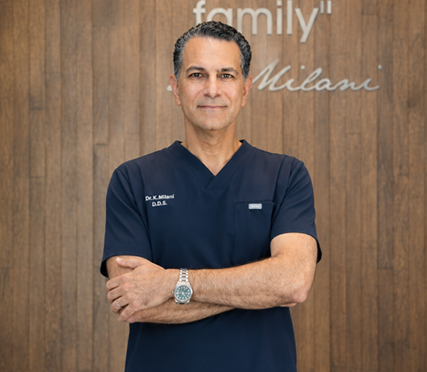
About The Author
Book An Appointment
Call us today at 604-373-7692 or complete the form below.